

Mental health care continues to evolve, offering new and innovative treatment options for individuals who have not found success with traditional therapy or medication alone. One of the most promising advances is Transcranial Magnetic Stimulation (TMS)—a non-invasive brain-based treatment designed to improve how specific areas of the brain function.
At Unison Pro Youth in Stuart, Florida, families often ask whether advanced approaches like TMS—and newer options such as ExoMind®—may be appropriate for teens and young adults facing persistent mental health challenges.
What Is Transcranial Magnetic Stimulation (TMS)?
Transcranial Magnetic Stimulation is an FDA-cleared, non-invasive therapy that uses magnetic pulses to stimulate targeted regions of the brain involved in mood regulation, attention, and emotional control. These areas can become underactive in conditions such as depression, anxiety, and other mood-related disorders.
Unlike medication, TMS does not affect the entire body. Instead, it works directly on neural circuits in the brain, helping them function more efficiently over time.
What Is ExoMind® and How Is It Different?
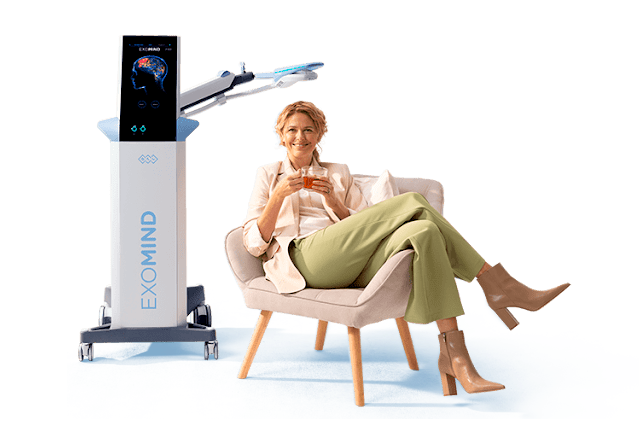
ExoMind is an advanced form of TMS technology designed to stimulate deeper and broader areas of the brain compared to traditional TMS systems. While standard TMS targets smaller, surface-level regions, ExoMind uses a specialized magnetic coil that can reach brain networks linked to emotional regulation, motivation, and executive functioning.
ExoMind is often explored for individuals experiencing:
- Treatment-resistant depression
- Ongoing anxiety symptoms
- Emotional dysregulation
- Difficulty responding to traditional talk therapy alone
For youth and young adults, this expanded brain stimulation may help support overall emotional balance and improve responsiveness to therapy.
How Does TMS (Including ExoMind) Work?
During a TMS or ExoMind session:
- A trained clinician places a magnetic coil gently against the scalp
- Repetitive magnetic pulses stimulate targeted brain regions
- Neural pathways become more active and better connected
- Improved brain communication supports healthier emotional responses
Sessions typically last 20–40 minutes, and patients remain awake and comfortable throughout. Most treatment plans involve multiple sessions over several weeks for optimal results.
Who May Benefit from TMS or ExoMind?
TMS and ExoMind may be worth considering for adolescents or young adults who:
- Have not experienced sufficient relief from medication
- Experience unwanted medication side effects
- Struggle with motivation, mood stability, or emotional regulation
- Need additional support alongside therapy
These treatments are not replacements for counseling or skill-building but can enhance the brain’s ability to engage in and benefit from therapeutic work.
At Unison Pro Youth, advanced brain-based interventions are considered as part of a comprehensive, individualized care plan that includes therapy, family involvement, and developmental support.
Is TMS Safe for Teens and Young Adults?
When administered by trained professionals, TMS—including ExoMind—has a strong safety profile. Side effects are generally mild and temporary and may include:
- Mild headache
- Scalp discomfort at the treatment site
- Tingling sensations
No anesthesia is required, and there is no impact on memory or personality. For younger clients, careful screening and ongoing monitoring are essential to ensure treatment is appropriate.
What TMS and ExoMind Are Not
It’s important to understand what these treatments are not:
- Not a “quick fix” or overnight solution
- Not a replacement for therapy or emotional skill development
- Not invasive or painful
- Not mind-controlling or personality-altering
Rather, they help the brain become more receptive to healing and growth.
Why Families in Stuart, FL Are Exploring Advanced TMS Options
Families throughout Stuart and the Treasure Coast are seeking innovative mental health solutions that go beyond traditional approaches. With growing academic pressure, social stress, and emotional challenges facing today’s youth, advanced treatments like TMS and ExoMind offer new hope—especially when progress feels stalled.
Having access to modern, evidence-based care close to home allows families to stay engaged, consistent, and supported throughout the treatment process.
Is TMS or ExoMind Right for You or Your Child?
Determining whether TMS or ExoMind is appropriate starts with a comprehensive evaluation. Factors such as age, diagnosis, treatment history, and overall mental health goals all matter.
At Unison Pro Youth, the focus remains on whole-person, youth-centered care—using innovative tools thoughtfully and responsibly to support long-term emotional well-being.
Exomind in Stuart, FL
Transcranial Magnetic Stimulation, including advanced options like ExoMind, represents a powerful step forward in mental health treatment. For some teens and young adults, it can make a meaningful difference—especially when combined with therapy, family support, and skill development.
If you’re exploring next steps in mental health care, understanding your options is an important place to begin.
Read More Blogs!
Stay updated with the latest blog posts and engage with our community.